
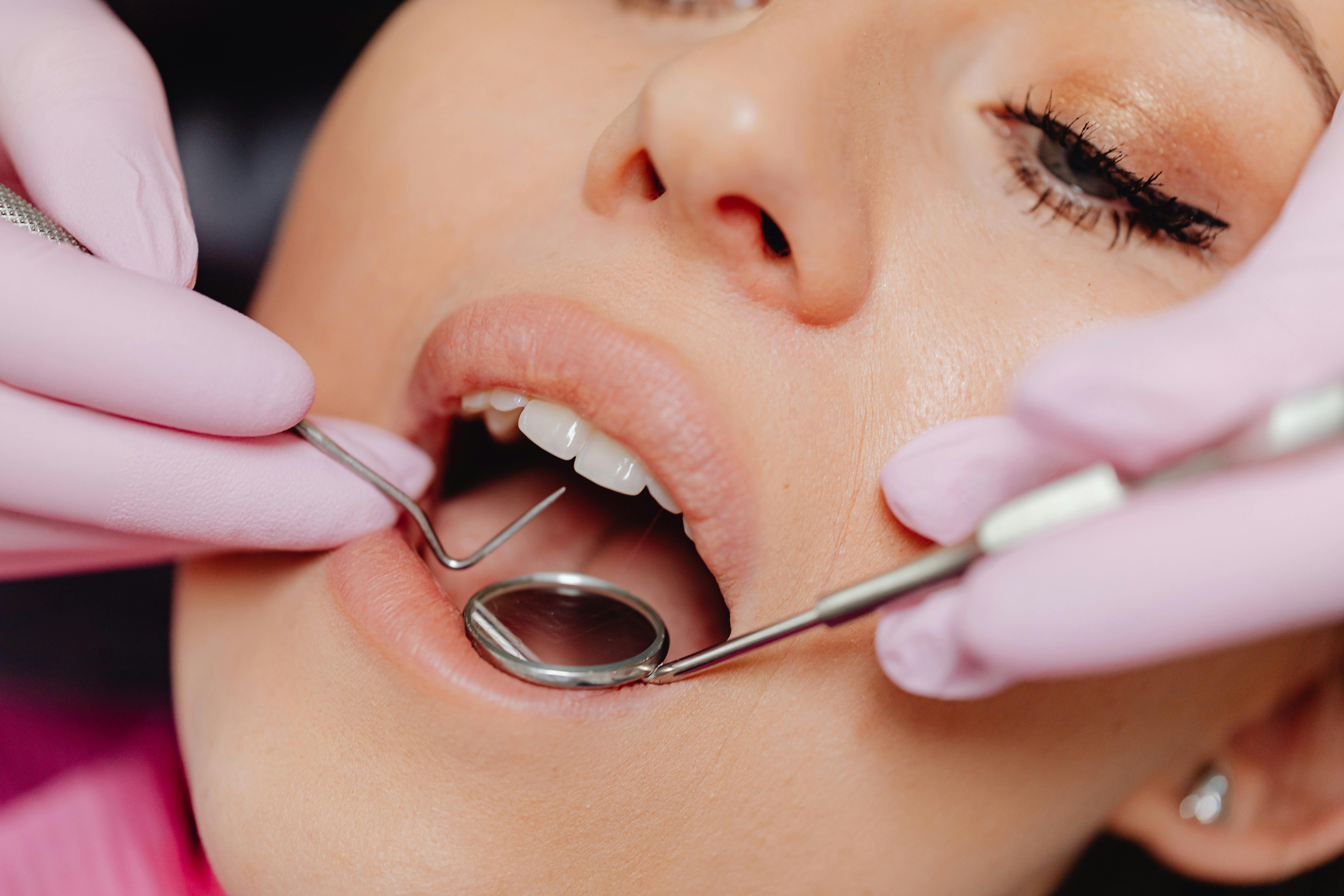
Cosmetic dental surgery is a form of dentistry. While regular dentistry tends to focus on oral hygiene and related practices, cosmetic dental surgery concentrates on improving the aesthetics of an individual’s overall mouth. While dentistry treats oral diseases and diagnoses problems with the teeth and gums, cosmetic dental surgery considers the total aesthetic appearance of the teeth and mouth, including the smile. Both types of dentistry perform restorative practices, but always at the back of the cosmetic dentist’s mind is the manifestation of the dental work as part of a complete picture.
Different types of cosmetic dental surgery
There are many different types of cosmetic dental surgery. Some have proven to be more popular than others. On the restorative level are the indirect fillings referred to as inlays or onlays. These constructs, made of porcelain or a composite, are a filling adherent to the place using a bonding substance. The porcelain fillings resemble the teeth they replace. Other common practices include:
Composite Bonding – the repairing of discolored, broken, chipped, decayed, or stained teeth by the application of a dental composite either on the surface of the enamel or into the cavity. The dental surgeon shapes and molds the composite to fit the tooth, then hardens it into this form using a highly intense light.
Teeth Whitening – This form of cosmetic surgery is very popular. It is often referred to as bleaching. The dentist may send the patient home with whitening toothpaste, ask them to wear a device – mouth tray, filled with a whitener such as peroxide paste, or give them in-office treatment. Methods may involve highly concentrated carbamide peroxide applied in mouth trays or dental strips. Lasers and UV lights are common in-chair bleachers.
- Dental Veneers – This procedure involves using ultra-thin porcelain or composite laminates to cover gaps in teeth, chips, cracks, and extensive yellowing. The process involves reducing the enamel on the tooth surface by approximately 0.5 mm before bonding the veneers permanently in place.
- Dental Implants – The cosmetic surgeon uses prosthetics – artificial teeth replacements, to compensate for the elimination, accidental, or other removal of teeth.
- Lumineers – a lighter version of veneers requiring no actual reduction of the tooth structure before attachment.
- Contouring – During this process, the cosmetic dental surgeon sculpts or reshapes the teeth. The dental surgeon removes a few millimeters of the enamel. The purpose is to correct such things as cracked, overlapping, chipped, or even crooked teeth.
Cosmetic dental surgery involves a variety of procedures for improving the aesthetic appearance of the teeth, gums, and mouth. Its focus is on giving individuals brighter, cleaner, whiter teeth and perfect smiles. The services are elective. Although not a recognized specialty field, cosmetic dentists can belong to the American Academy of Cosmetic Dentistry (AACD), American Society for Dental Aesthetics (ASDA), and the American Cosmetic Dental Association (ACDA).